Safecast partnered with FabCafe Taipei and Loftwork Taiwan to inspire a new generation of citizen scientists and innovators and equip them with the tools they need to succeed. The collaboration was part of the Future Dynamic Program, an initiative aimed at fostering creative leadership and practical problem-solving skills among Taiwanese University students.
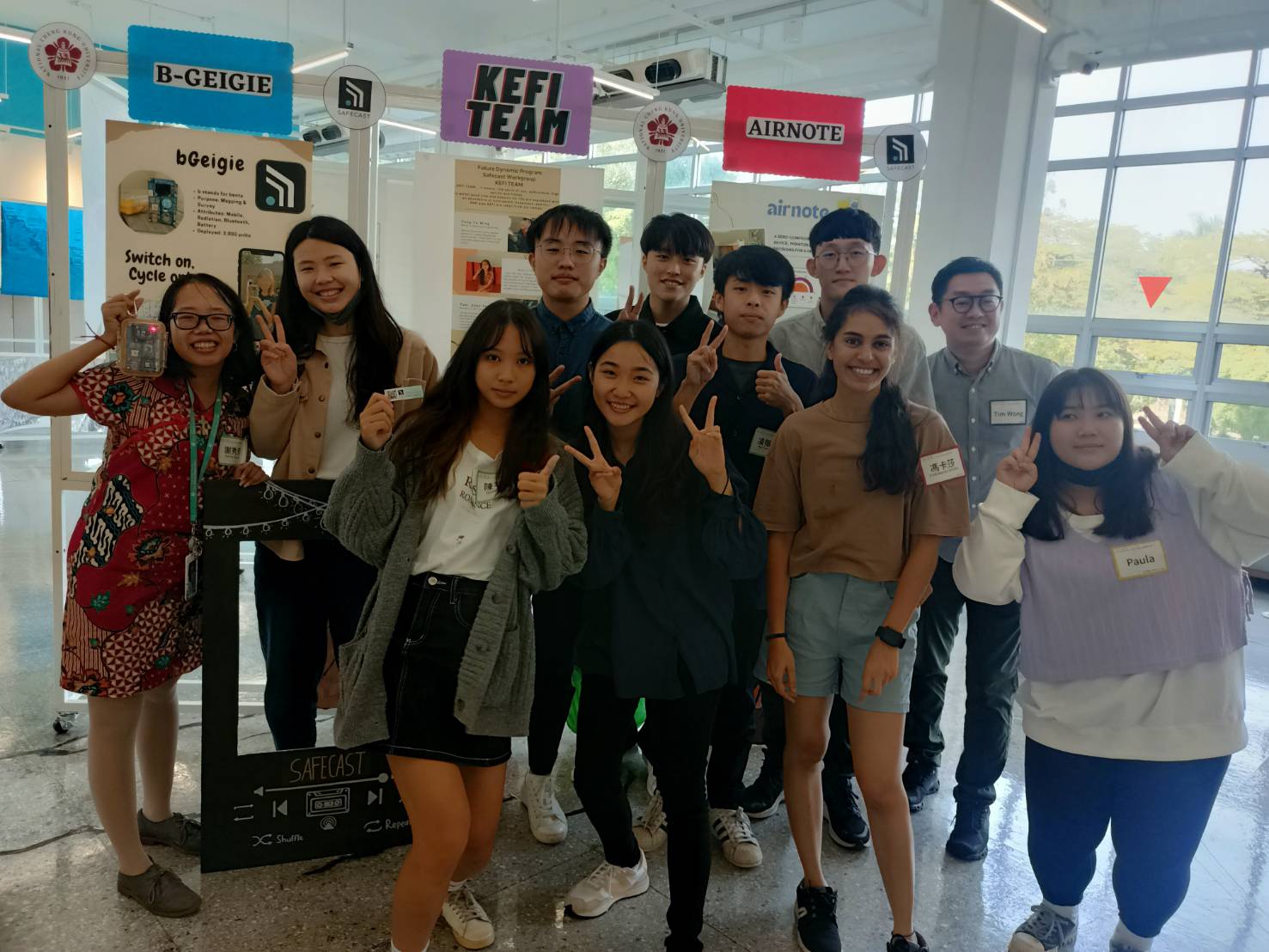
The partnership included a Memorandum of Understanding with the National Cheng Kung University (NCKU) and involved teaching nine hybrid classes about Safecast’s mission and methodologies. The educational program aimed to enable students to develop Safecast community projects in Taiwan, leveraging the organisation’s environmental monitoring and data analysis expertise.
Loftwork and NCKU co-created the Future Dynamic Program as a nine-week experimental education initiative, emphasising co-creation and communication when envisioning the future. The program challenges conventional education norms and encourages students to think independently and tackle practical problems, promoting a hands-on approach over theoretical learning. This approach resonates with Safecast’s ethos of empowering individuals and communities through democratically accessible technology and information.
A key component of the program was the development of critical thinking and questioning skills in the Creative Leadership Development Program. This phase laid the groundwork for applying these skills in local problem-solving initiatives in Tainan or at NCKU. The students formed two teams that worked closely with a multinational team of lecturers, including experts from Safecast, to apply their learning in real-world contexts.
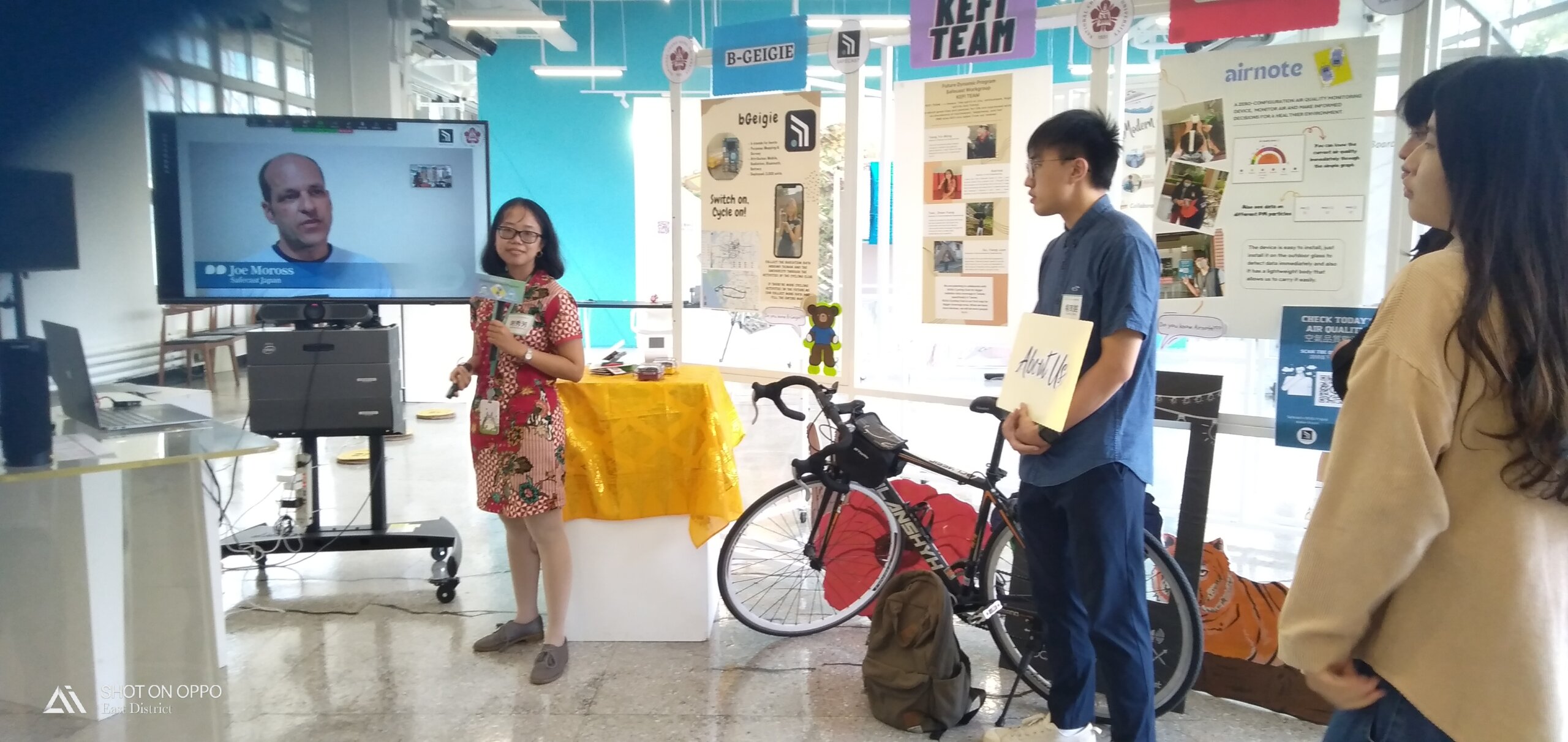
One group conducted measurements and used questionnaires to engage students on radiation and air quality while using the bGeigie for data gathering. The questionnaires were gathered in collaboration with an existing student group called “Escort Angels,” which offers to walk students (who are otherwise alone) to their classes at night.
The second group collaborated with the university cycling club to promote the idea of citizen science and events and held a cycle bGeigie data gathering event.
For Safecast, the Future Dynamic Program presented an opportunity to expand its volunteer network and assist in increasing environmental awareness among young people in Taiwan. As part of the program, students learned about radiation basics and how to build detectors. However, the focus extended beyond technical skills to encompass social and human aspects of building a citizen science network.
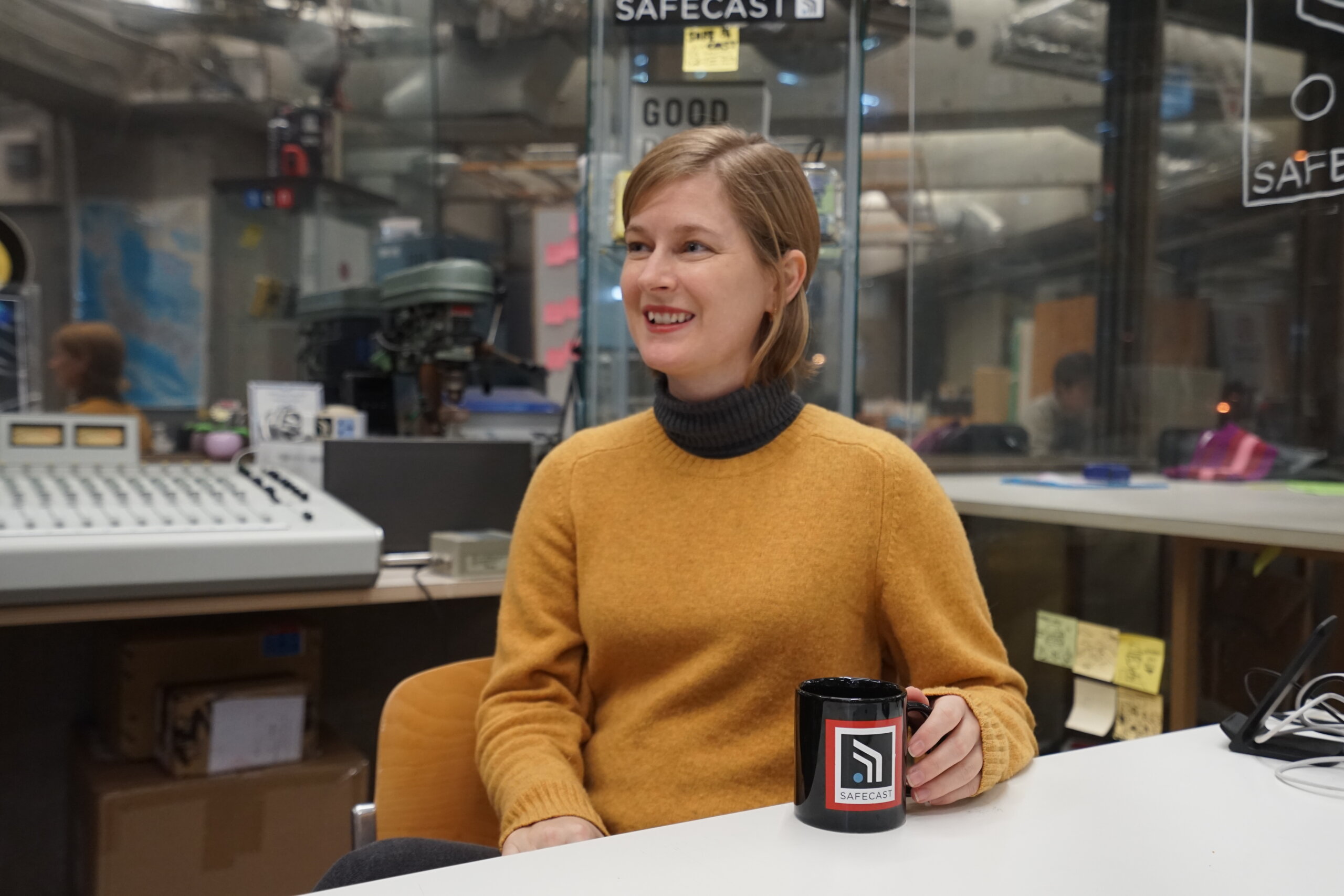
The Safecast workgroup, under the guidance of instructor Kelsie Stewart, engaged in a hybrid-style project spanning Japan and Taiwan. Students rapidly learned to assemble a kGeigie (a simple breadboard-based Geiger counter kit) and deployed Airnotes (air quality monitors), contributing actively to Safecast’s environmental data set. This experience enhanced their technical abilities, instilled a sense of achievement and demonstrated the potential of collaborative action.
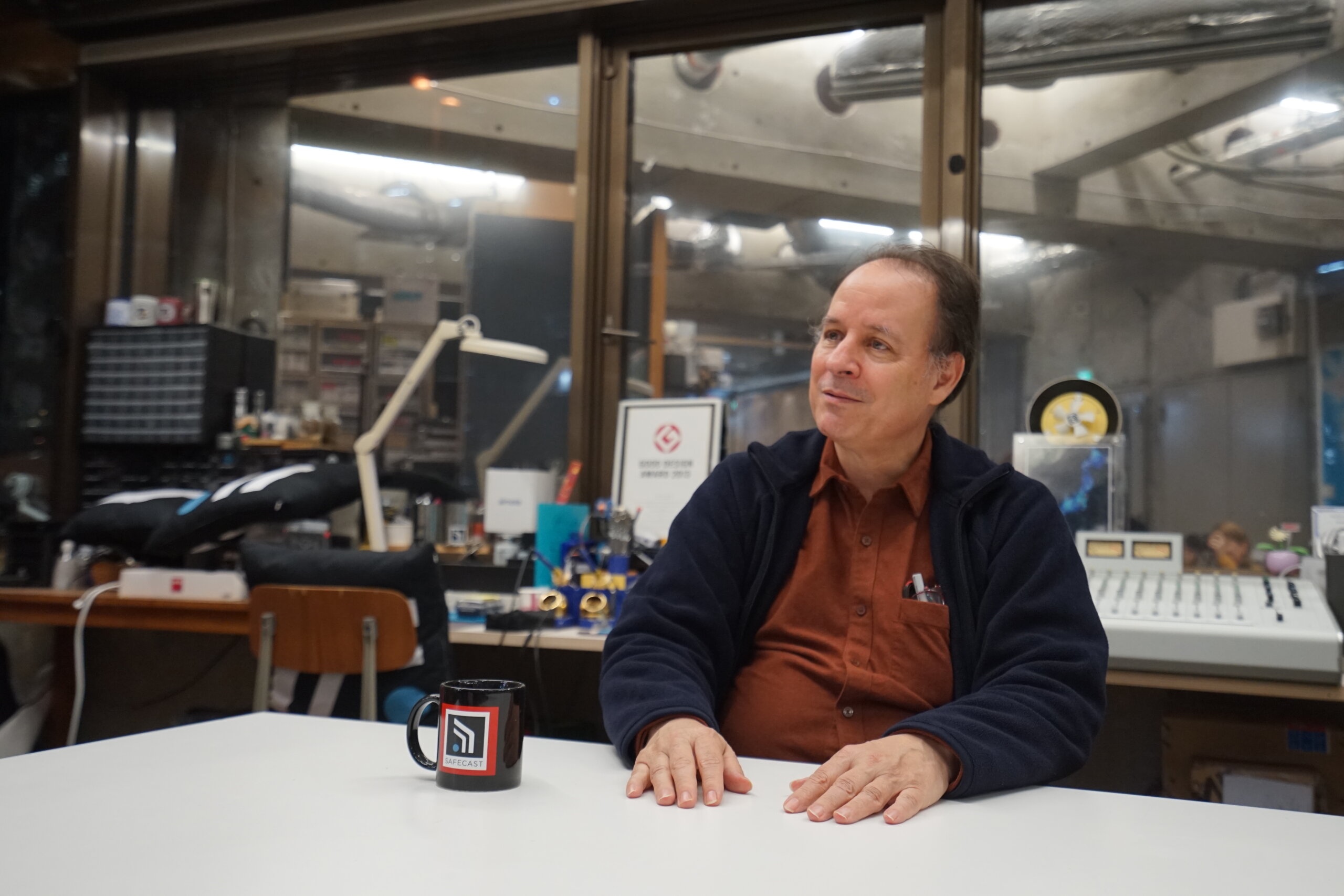
Azby Brown, lead researcher at Safecast and a program lecturer, highlighted the initiative’s human and social aspects. Students were encouraged to build a volunteer network by leveraging their newly acquired person-to-person skills. This approach led to forming a new volunteer “node” in Tainan, demonstrating the ease and effectiveness of community engagement and collaboration.
The program’s innovative educational model, which emphasized practical experience and social interaction, proved highly successful. Students developed a sense of community and self-belief through a project emphasizing creative leadership and the importance of helping others achieve their goals, challenging the conventional competitive academic environment in Taiwan.