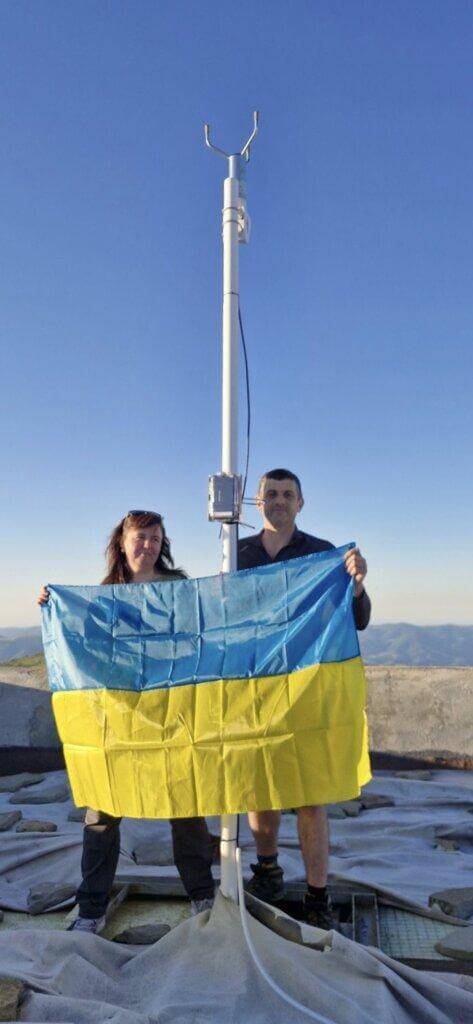
— Radnote installed atop Mt Pip Ivan!
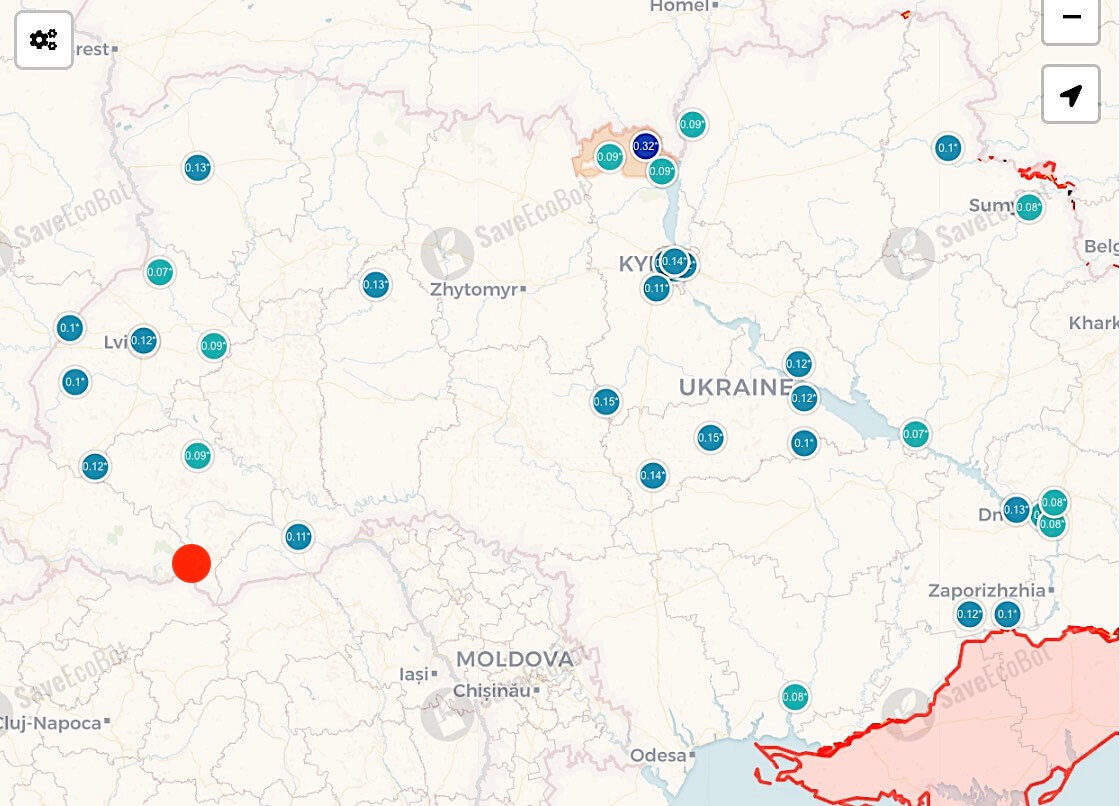
The 43rd Radnote realtime wireless radiation monitor has been installed atop Mt. Pip Ivan (Chornohora) near the Romanian border in western Ukraine. This successful deployment marks the beginning of a new phase for our unprecedented joint initiative with Blues and SaveDnipro. As we described in our initial announcement of the project last year, we have been establishing a robust, independent realtime radiation monitoring network in Ukraine in response to the ongoing risk of radiological disaster at the Zaporizhzhia Nuclear Power Plant (ZNPP) which has been illegally occupied and militarized by Russia since March 2022. Other nuclear sites in Ukraine are also at risk due to Russian military attacks. Our system serves as a resilient overlay network that provides additional capacity to official radiation monitoring systems, ensuring that crucial data will be available despite the ongoing conflict and the intentional infrastructure failure caused by Russian attacks. Data from Radnotes in Ukraine can be seen online at SaveEcoBot.
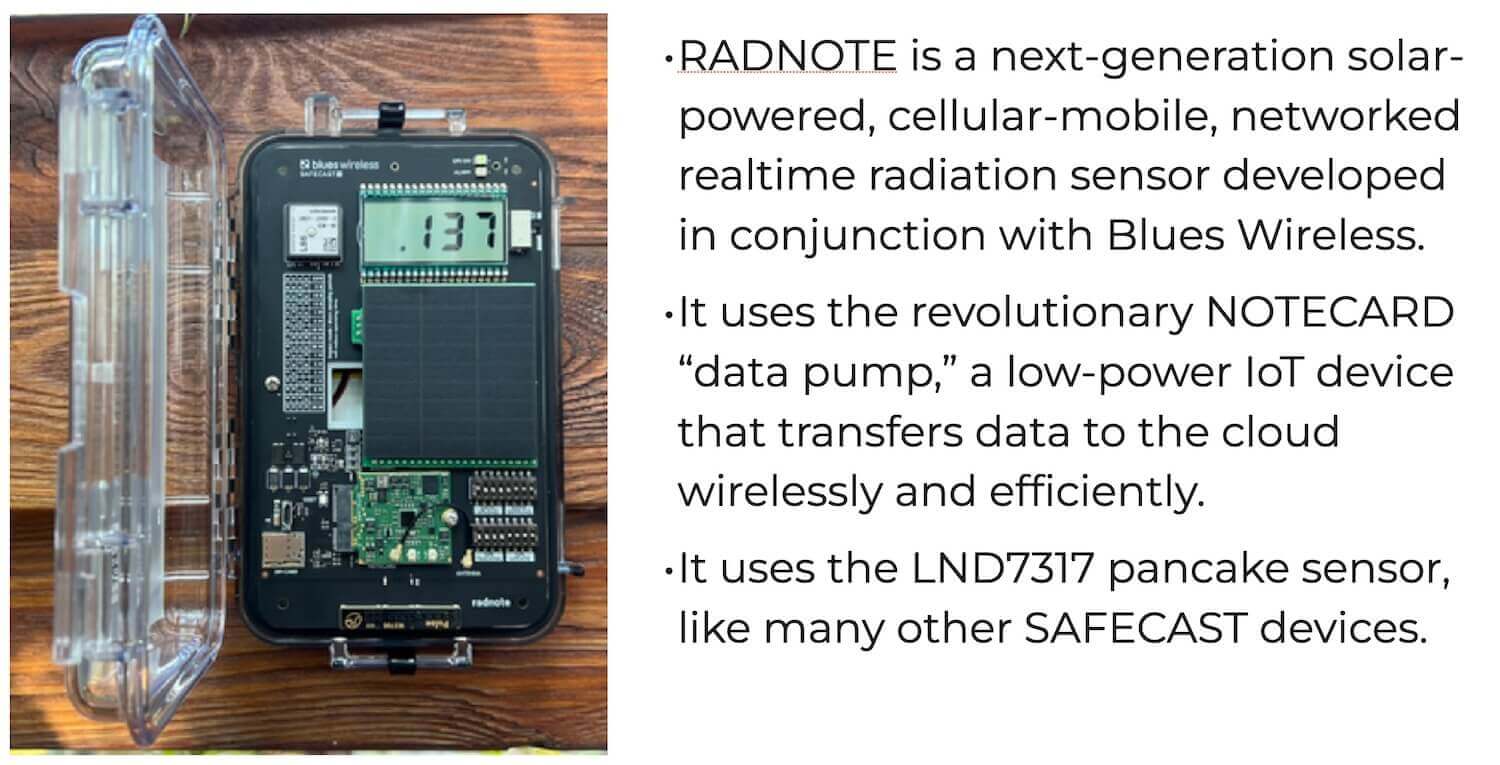
This project grew out of the #bgeigies4ukraine initiative begun shortly after the start of the full-scale Russian invasion of Ukraine in 2022. Using Safecast bGeigies lent by the Czech national laboratory SURO, Ukrainian volunteers organized by SaveDnipro mapped background radiation in key areas of the country, including the Chornobyl Exclusion Zone. The need for independent fixed-point realtime radiation monitoring data was also clear from the start, and after a year of planning and testing, the first Radnote detector units were deployed in Ukraine in May, 2024. The Radnote, developed and produced by Blues, has made it possible for us to establish a disruptively inexpensive gamma-radiation-focused “overlay” network that is resilient to power infrastructure failure (because it is solar powered), and communication infrastructure failure (because it does not rely on wired internet, and is satellite capable).
At this point, 43 Radnote sensors have been deployed, covering a wide geographic area of Ukraine. Our team has established good communication and cooperation with Ukrainian authorities at the local, regional, and national level, including on-the-ground assistance obtaining installation locations and deploying devices. Radnote data from Ukraine is now integrated into Ecozargroza (the official data system of the Ministry of Environmental Protection of Ukraine). Our project has also gained notice and support from radiation monitoring agencies in Europe and the US who recognize the reliability and sophistication of the Radnote design, and also projects like Windy.com and DeepStateMap. Experts in the field appreciate that the capabilities our monitoring network provides can supplement official systems which are likely to become overstressed in any emergency.
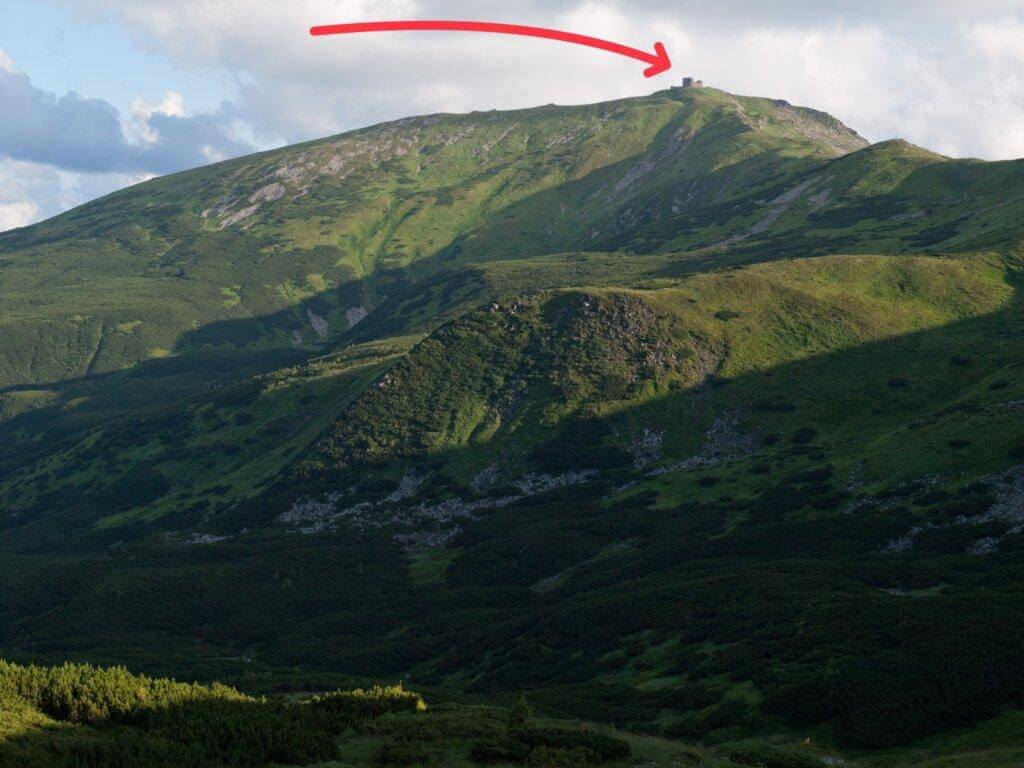
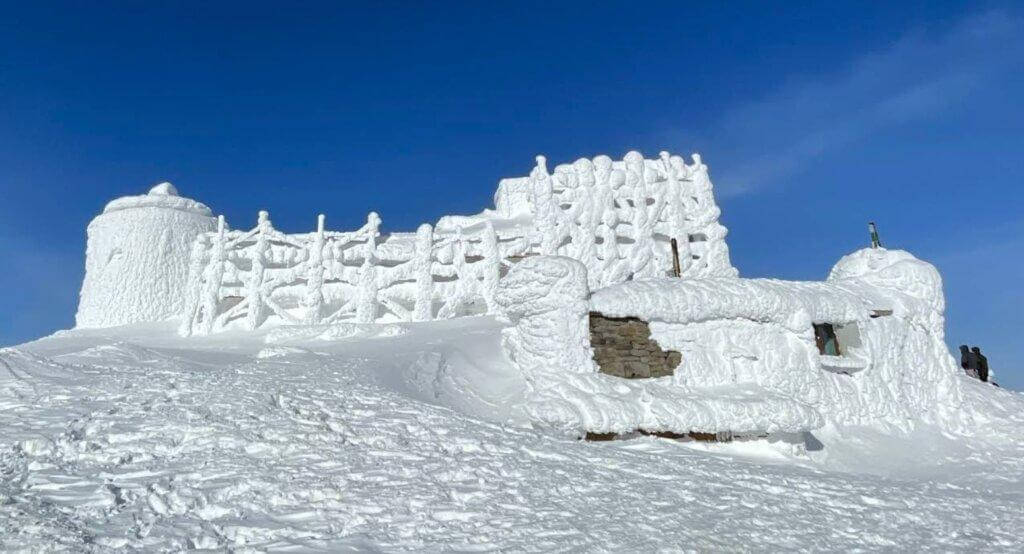
In Ukraine, Radnotes have been installed in a wide variety of locations, including residential buildings, offices, parks, churches, and universities. Some, like those in the Chornobyl Exclusion Zone, have posed special challenges. But Mount Pip Ivan, the third-highest peak in Ukraine, is by far the most challenging site to date. This Radnote has been mounted atop a beautiful stone observatory built in the 1930’s overlooking a glorious natural environment at the summit of the mountain, and now used as a meteorological research station by Vasyl Stefanyk Carpathian National University, who are cooperating on the project and performed the actual installation. At 2028 meters elevation, it suffers extremely harsh winter conditions, with typically several meters of snow and temperatures falling to -20 degrees C. At times the observatory can become entirely encased in ice. The Radnote has proven extremely reliable in sub-freezing temperatures that regularly cause official sensor systems in Ukraine to give erroneous readings. It’s possible that not enough sunlight will reach the solar panel to charge the batteries if the Radnote at Mount Pip Ivan becomes covered in ice during the coldest winter months. The unit is designed, however, to draw power from an internal long-life Tadiran battery when solar power is insufficient. The coming winter will be a good test of this functionality.
The continuing success of our Ukraine project depends on establishing similar collaborations with individuals and institutions. There are no shortcuts for this. Our partners at SaveDnipro have spent countless hours in discussions with potential collaborators, and the Mount Pip Ivan deployment by Professor Volodymyr Kotsuybynsky and his team is an outstanding example of the kind of results they have achieved. From the start, Blues, Safecast, and SaveDnipro have made every effort to make it easy to deploy Radnotes. The unit is designed for rapid installation by non-professionals who can be given very simple instructions. SaveDnipro project lead Pavlo Tkachenko has made well-tested and very foolproof installation kits which are sent to each site. In most cases the host need only strap the device in place and turn the Radnote on.

— Big Radnote shipment arrived !
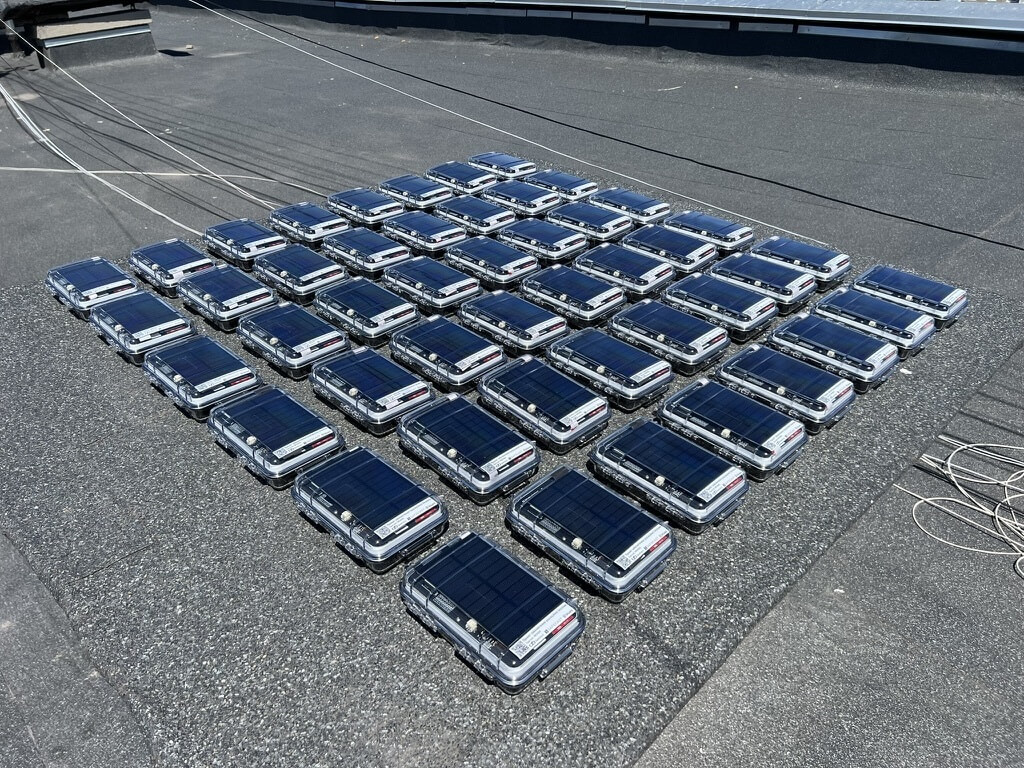
When the Safecast team went to Ukraine in May 2025 we brought the first deployment group of 20 Radnote sensors with us. Our plan was to ship the rest from the US in small batches as deployment sites became available, until the entire production run of 100 units was in Ukraine. This became a bigger challenge than we expected. The main issue was bureaucracy, specifically customs issues, with some shipments being allowed in as humanitarian aid while others were held up and customs duties assessed. Several organizations and individuals quickly stepped in to help us, delivering Radnotes to Ukraine with humanitarian aid shipments and research equipment. Thanks to such assistance, a large shipment of 42 units arrived this past May. There are now over 90 Radnotes in Ukraine. All of these units have been tested and their mounting kits prepared so they can be quickly deployed in coming months.
Both Safecast and SaveDnipro are extremely independent civil-society organizations. Our projects both started without any official assistance, and we are confident that we can fulfil our public missions without it as well. We are happy to share our expertise with government entities, however, and do not hesitate to provide assistance where we can. Building a monitoring network like ours in wartime Ukraine makes maintaining good lines of communication with officials doubly important. We want them to know what we are doing, and why, and make it clear that the data we collect is open and freely available for them to use and share as well. We have spent a lot of time and effort building the trust necessary to keep open lines of communication with government ministries and other bodies, and this has clearly benefited our project. It can be inconsistent at times, particularly since the openness and transparency we embrace is not always a priority for government bureaucracies. But we have established good relations at a number of levels in Ukraine, with national agencies, regional (oblast) governments, and local governments. As was the case after Fukushima, we’ve noticed that once a few individuals in official positions have made their support clear, others gradually reach out.
The Radnote is now undergoing official certification in Ukraine. Although we do not consider this essential for our project itself, it will make it easier for our data to be shared in official notification systems. Meanwhile, SaveDnipro’s SaveEcoBot online radiation map has become a valued radiation information source for Ukraine for officials and media in Ukraine and elsewhere.
Looking back to the start of Safecast in 2011 and the modest expectations we had then, we consider the many achievements of our Ukraine initiative evidence of how ambitious and successful citizen science can be. We hope to continue demonstrating new possibilities and showing the way to others. Like all activities of Safecast, our Ukraine initiative is funded by donations. We humbly ask for your continued support.
HOW TO DONATE